Ingredients
A root that grows where little else does
Maca is a root vegetable, and its botanical name is Lepidium meyenii. It belongs to the same broad plant family as radishes, turnips and cabbage, which helps you picture it: a low-growing plant with a swollen root that sits just beneath the soil. The root can be pale cream, yellow, red or even deep purple to black, depending on the variety.
What makes maca remarkable is where it grows. It is cultivated high in the Andes mountains of Peru, at altitudes where the air is thin, the wind is sharp and many familiar crops simply will not thrive. Farmers there have grown maca for centuries, and it earned a reputation as a dependable staple in a demanding landscape.
That setting is a big part of the maca story. When you read the word on a label, it helps to remember that this is a mountain crop with a very specific home, not something that grows easily just anywhere.
How maca has traditionally been eaten
In Andean communities, maca has been seen as food first. The roots are typically dried so they keep well through long seasons, and they can then be cooked, roasted or ground into a flour-like powder. That powder has a slightly sweet, earthy, nutty flavor that people often compare to butterscotch or malt.
Today you will find maca in several forms, from raw powders added to smoothies to capsules and liquid extracts. Each form is simply a different way to bring the same plant into daily life. An extract concentrates what the root offers into something compact and consistent, which is handy for blending with other ingredients.
If you enjoy exploring food traditions, maca is a nice example of an ingredient that crossed from regional kitchens into the wider world of wellness routines, carrying its highland identity along with it.
Because maca grows slowly in a harsh climate, the harvest is tied closely to the seasons. Roots are pulled, left to dry in the cold sun and thin air, and stored so that they last. That simple, patient process is part of what gives maca its place in traditional Andean food culture.
Why maca root extract is in Jello Burn
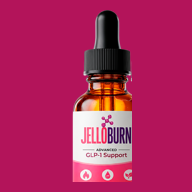
Jello Burn names maca root extract among its six ingredients. According to the brand, the formula is intended as a daily metabolism and wellness support routine, and maca is included as an Andean plant associated with an active, energetic lifestyle. It may help support that general sense of vitality that people look for in a daily habit.
Maca is also the only root among the plant ingredients, which gives the blend some diversity. Green tea is a leaf, guarana and African mango are seeds, and grape seed is a seed too, while chromium is a mineral. Maca brings a different part of the plant kingdom into the mix.
As with every ingredient in the formula, it is best seen as a team player. The brand does not describe any one component as a standalone answer, and the sensible way to think about maca is as one thoughtful addition to a routine that also includes good food and regular movement.
Within Jello Burn, maca therefore plays a supporting role with a strong sense of place. It reminds you that a formula can be built from ingredients with real geography behind them, from mountain farms to rainforest vines.
Where each ingredient comes from
It can be fun to picture the formula as a small world tour. The six ingredients come from very different places and parts of nature, which is part of what makes reading about them rewarding:
- Chromium: a trace mineral found in soil, water and many foods
- African mango seed: a seed from a West and Central African forest tree
- Green tea leaf: the leaf of the Camellia sinensis shrub
- Guarana seed: a seed from an Amazon basin climbing plant
- Maca root: a root grown high in the Peruvian Andes
- Grape seed: a seed left over from winemaking
Questions to ask about any root extract
When you meet a new ingredient, a few simple questions go a long way. Which plant and which part is it? Is it named clearly rather than buried in a vague proprietary blend? Does the brand speak about its production openly?
Jello Burn is made in the USA, and the brand says it carries GMP and natural product badges. Those speak to how the product is manufactured, which is a useful thing to know when you compare options, though they are not promises about what any individual will experience.
A useful habit is to check whether the extract is identified by its plant name, since maca can also be sold as a powder or capsule. Knowing the form you are buying helps you compare like with like.
Making it a small daily habit
The directions are short. According to the brand, you shake the bottle well and take one dropperful once a day, placed directly in the mouth, in the morning if you can and ideally before a meal. It is the sort of habit that attaches easily to something you already do.
The brand asks for at least 30 days of consistent use before you decide how it suits you, and it offers a 60-day money-back guarantee. If you continue, the packs on the order page include two, three and six bottle options, and the three and six bottle packs come with bonus digital guides.
Quick questions
Where is maca grown?
Maca is grown at high altitude in the Andes mountains of Peru, where the climate is cold and windy. It has been cultivated there for centuries and is closely related to radishes and turnips, though its flavor is earthy and slightly sweet.
Is maca a root or a seed?
Maca is a root. It is the swollen underground part of the plant, which comes in colors from cream to yellow, red and dark purple. In Jello Burn it is the only root among the plant ingredients, with the others being leaf and seed extracts.
What does maca root extract add to a formula?
According to the brand, it contributes an Andean plant associated with an active, energetic lifestyle. It is one of six ingredients meant to work together in a daily metabolism and wellness support routine, rather than a stand-alone answer.
Your Jello Burn routine starts with one order
Choose 2, 3 or 6 bottles, from $49 each. The 3 and 6 bottle packs ship free in the US.