Ingredients
What a trace mineral actually is
Minerals are usually sorted into two groups. Major minerals, such as calcium and magnesium, are the ones your body handles in larger quantities. Trace minerals are the opposite: needed only in tiny amounts, yet still part of the everyday chemistry that keeps a body running smoothly. Chromium belongs to that second group, which is why you rarely hear it mentioned alongside the famous minerals on a cereal box.
The word trace is easy to misread. It does not mean unimportant, and it does not mean rare in a worrying sense. It simply describes the scale. Think of a pinch of salt in a large pot of soup. You would never see it as a separate ingredient, but the whole pot tastes different without it. Trace minerals work a little like that, quietly present in the background of normal daily function.
Chromium is also a metal in its everyday industrial form, which can make the name sound a bit intimidating. The form used in nutrition is a different matter. It is a nutritional mineral that occurs naturally in soil, water and a range of foods, and it is the nutritional form that supplements are built around.
Where chromium shows up in everyday food
Because chromium lives in soil and water, it finds its way into many foods without anyone planning it. The amount in a given food can vary quite a bit depending on where it was grown and how it was processed, which is one reason nutrition guides tend to speak about it in general terms rather than promising a fixed number for any single meal.
If you like to think about your plate, chromium is commonly associated with the following kinds of foods:
- Whole grains and whole grain breads
- Broccoli and other green vegetables
- Nuts and seeds
- Fruits such as apples and grapes
- Spices including black pepper
- Egg yolks and some meats
Why it appears in a daily metabolism routine
Chromium is often discussed in the context of how the body handles the food you eat. People who build a daily wellness routine around mindful eating, steady energy and an active lifestyle tend to be curious about it for that reason. It is one of the minerals that supports normal metabolism of the nutrients in meals, which is the sort of quiet, background job that is easy to overlook.
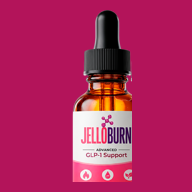
That is the reasoning behind its place in Jello Burn. According to the brand, the formula is designed as a daily metabolism and wellness support routine, and chromium is the one mineral among its six named ingredients. The other five are plant extracts, so chromium plays a different role in the lineup: a mineral anchor alongside botanicals.
It helps to keep expectations grounded. A single ingredient is not a switch you flip. A mineral like chromium may help support the way your body works with meals, but it sits inside a bigger picture that includes what you eat, how often you move and how regularly you take a routine seriously.
How chromium sits alongside the other five ingredients
Reading an ingredient list is more interesting when you picture each item as a member of a team. In Jello Burn, chromium is joined by African mango seed extract, green tea leaf extract, guarana seed extract, maca root extract and grape seed extract. Each comes from a different corner of the world and a different part of a plant, or, in chromium's case, from the mineral world.
This mix of one mineral and five botanicals is a common design pattern in daily wellness products. The idea is variety: different ingredients with different traditions of use, brought together in a single routine so you do not have to manage six separate things every morning. The brand presents the combination as a way to keep a daily habit simple.
If you would like to understand the other members of the team, the rest of this ingredient series walks through each botanical in turn, using the same plain approach you are reading now.
What to look for in a chromium product
Not every supplement explains itself well, so it pays to be a little curious. When you compare products that include chromium, look for a clear ingredient list that names the mineral, a manufacturer that describes its standards openly, and a format you will actually stick with. These are small details, but they separate a product you understand from one you merely hope is fine.
Jello Burn is made in the USA and carries GMP and natural product badges, according to the brand. GMP stands for good manufacturing practices, a way of describing consistent, careful production. These badges are worth reading as a sign of how the product is made, not as a promise about any particular outcome.
Making chromium part of a realistic routine
The most helpful thing you can do with any ingredient is pair it with habits you can keep. Start your morning with water, plan a meal that includes some color, and go for a walk when the day allows. These ordinary choices matter far more than any single name on a label, and a supplement is best seen as one small, steady part of the larger picture.
According to the brand, you shake the bottle well and take one dropperful once a day, placed directly in the mouth, with morning preferred and ideally before a meal. Because it is a once-a-day habit, it slots easily next to things you already do, such as making coffee or packing a lunch.
Give a routine time before you judge it. The brand asks for at least 30 days of consistent use before you decide, and a 60-day money-back guarantee is available if it is not for you. The packs on the order page come in two, three and six bottles, which cover 60, 90 and 180 days.
Quick questions
Is chromium a vitamin or a mineral?
Chromium is a mineral, not a vitamin. Vitamins are organic compounds made by plants and animals, while minerals come from soil and water. Chromium is classed as a trace mineral because the body needs it only in very small amounts, and it is found naturally in many everyday foods.
Why is chromium the only mineral among the six ingredients?
Jello Burn pairs one mineral with five plant extracts: African mango seed, green tea leaf, guarana seed, maca root and grape seed. The brand describes the blend as a daily metabolism and wellness support routine, with chromium giving the formula a mineral component next to the botanicals.
Can I get chromium from food alone?
Many people do take in some chromium through whole grains, vegetables, nuts, fruit and spices. How much depends on how foods are grown and prepared. A supplement is simply one more way to build a consistent routine, and it works best next to balanced, mindful eating.
Your Jello Burn routine starts with one order
Choose 2, 3 or 6 bottles, from $49 each. The 3 and 6 bottle packs ship free in the US.